In short
- A focus group discussion (FGD) is a guided conversation with 6 to 8 people who share one trait, led by a moderator, for 60 to 90 minutes.
- It shows how people react to an idea together. You hear the words they use, what they argue about, and what they give up when they have to choose.
- It cannot tell you how many of your buyers feel the same. A post purchase survey app can.
- For a Shopify store, the best people to invite are recent buyers, and the Thank you page is the place to ask them.
- In a study that tracked when each new theme came up, 2 to 3 groups per type of person found about 80% of all themes.
What a focus group discussion is
In a focus group discussion, a moderator follows a written guide but lets the talk move where the group takes it. The guide sets the topics and the activities. The group decides what matters inside them.
What makes a group different from one person on a call is the other people in it. One buyer says the gift box felt cheap, another disagrees, and a third remembers she threw hers away. You learn the words buyers use, which views hold up when someone pushes back, and which ones fold.
Your store can ask customers why in three ways, and each one answers a different question:
| Method | Who and how many | What you learn | Best for | Weak at |
|---|---|---|---|---|
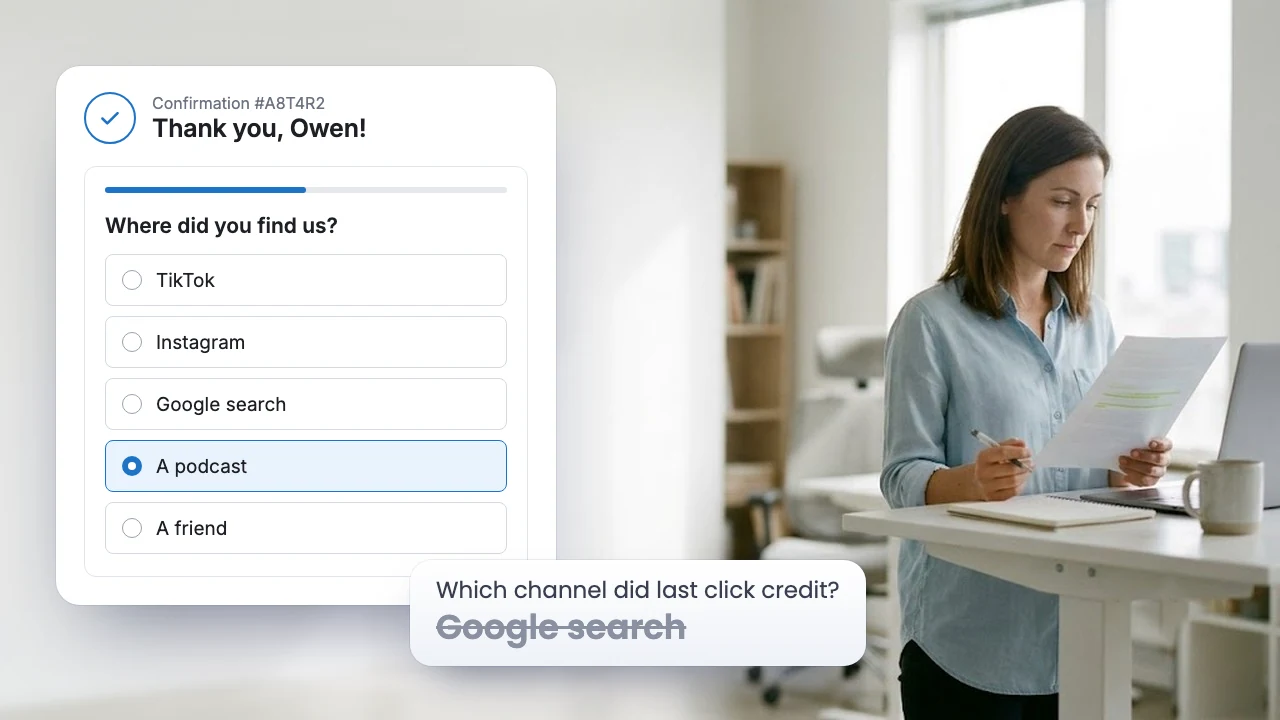
| Post purchase survey | Every buyer who reaches the Thank you page, one or two questions each | How many buyers pick each answer | Counting where buyers come from and why they buy | The story behind each answer |
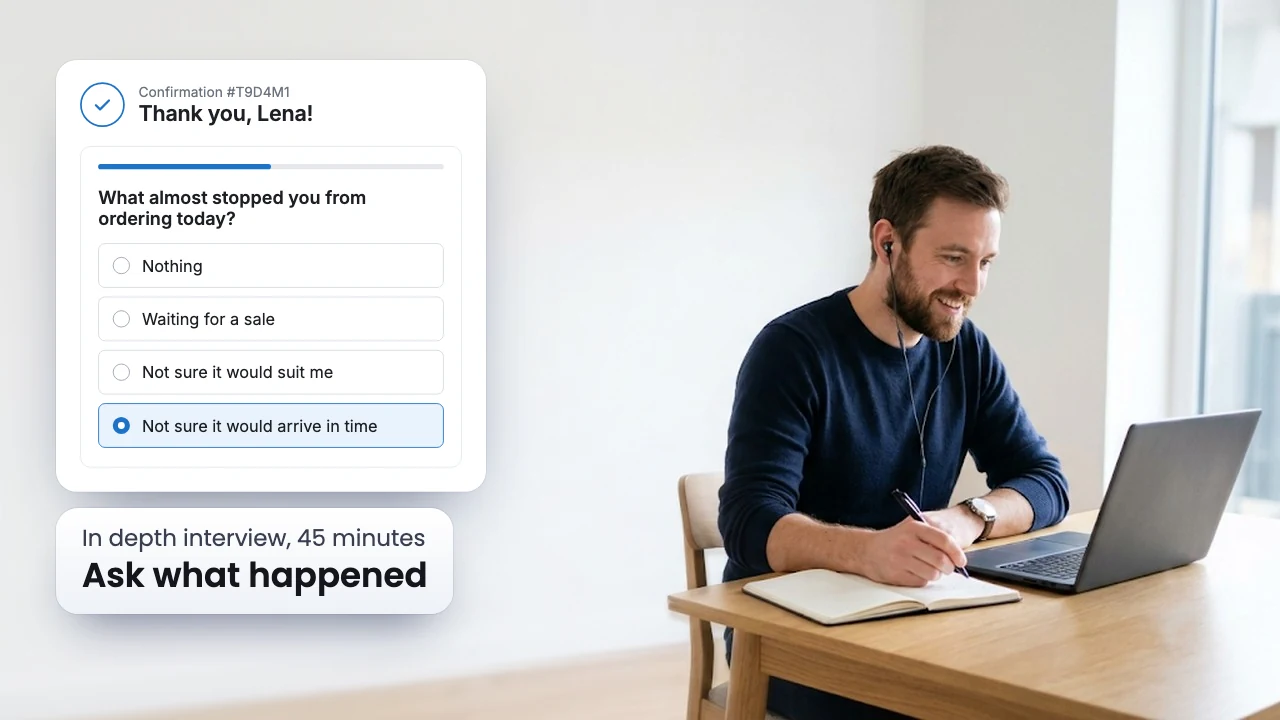
| In depth interview | 8 to 12 buyers of one type, 45 to 60 minutes each | One person's full story, including what they would not say in front of others | Private topics, long decisions, the path to one order | How common that story is |
| Focus group discussion | 6 to 8 per group, 2 to 3 groups per type of buyer | How a group reacts, argues and trades one thing for another | Testing a bundle, a name, a price or an ad before you launch | How common it is, and anything private |
A group is the right tool when you have an idea to test and need the reactions in buyers' own words. For one buyer's path to an order, read how to run an in depth interview.
When a focus group is worth it for a store
A focus group costs you an evening, a few gift cards and a lot of listening. It pays back in these cases:
- Before you launch something new: A product, a bundle, a gift set or a subscription. Show two or three versions and watch which one people defend.
- Before you write the ad or the product page: Buyers name the problem in words your team would never pick. Those words make better headlines than yours.
- When two kinds of buyers want different things: First time and repeat buyers, or people buying a gift and people buying for themselves. Run one group for each and compare what changes.
- When survey responses surprise you: If a third of your buyers say they heard about you from a friend, a group can tell you what the friend actually said.
Pick another method when:
- You need a number. Eight people agreeing tells you nothing about 3,000 buyers.
- The topic is private. Money, body, health and relationships make people careful in front of strangers. Talk to them one at a time.
- You want one person's path over weeks. That is an interview, not a group.
Three ways a group bends the truth
A room full of people changes what each person says. Plan for three effects:
- One loud voice: One confident person answers first, and the others nod along instead of saying what they think.
- The nice answer: People say what makes them look good in front of others, such as "I always read the ingredients."
- Agreeing to finish: The group settles on a view quickly because agreement feels pleasant, and the real disagreement never comes out.
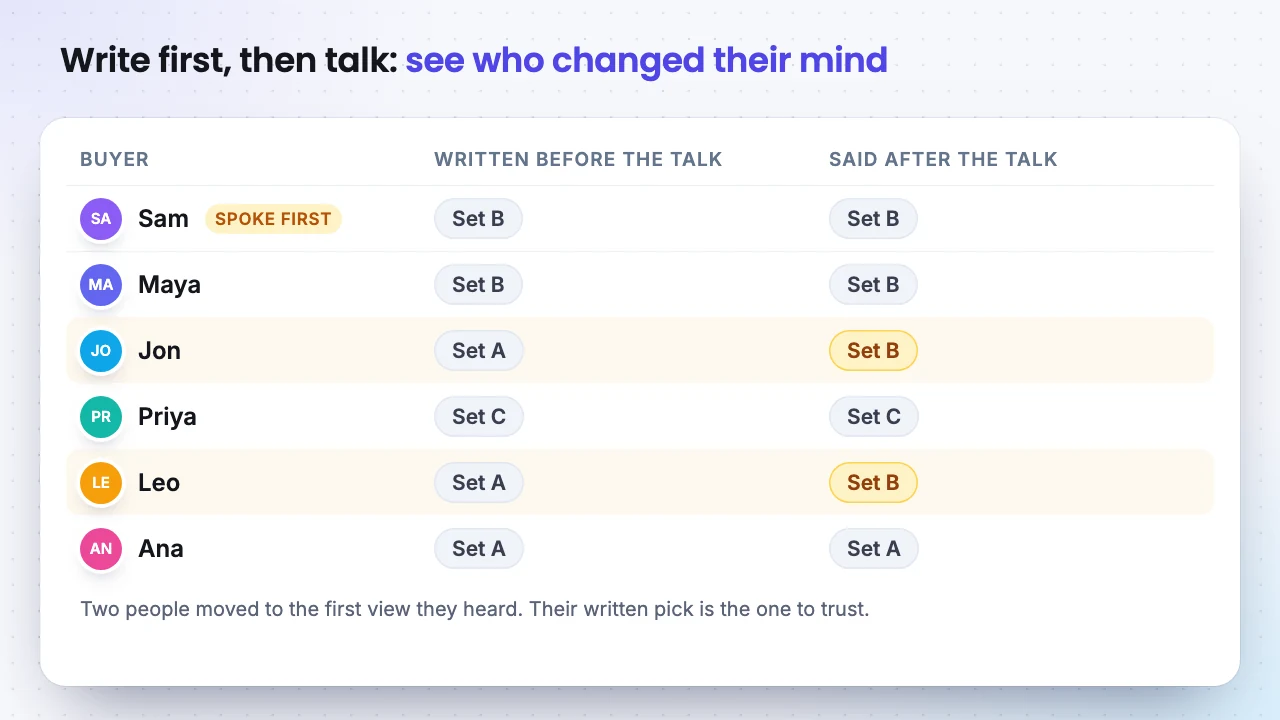
The best fix is to write first and talk second. Before each discussion, everyone writes their own answer on paper or sends it to the moderator in a private chat message. Then each person reads theirs out. Nobody can borrow an opinion they have not heard yet, and the moderator can see who changed their mind once the talk started, which is a finding in itself.
Pick the buyers
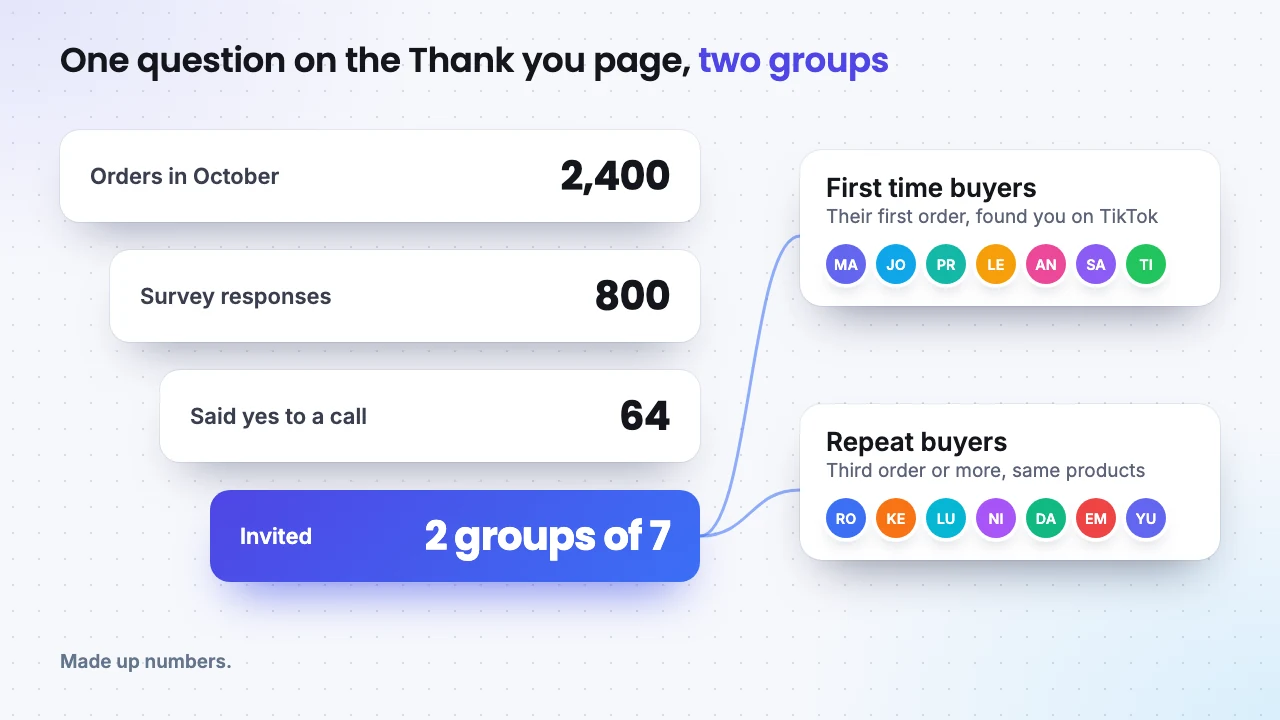
Keep each group alike and the groups different from each other. Inside one group, everyone shares the trait you care about, such as first time buyers who found you on TikTok, so nobody feels out of place and people talk more openly. Between groups, change one or two traits only, such as first time buyers in one group and repeat buyers in the other. When the two groups disagree, you know what caused it.
Aim for 6 to 8 people when you meet in a room, and 5 or 6 on a video call, where people talk over each other more often. Invite two more than you need, because someone always cancels.
As for how many groups to run, researchers Greg Guest, Emily Namey and Kevin McKenna tracked when each new theme first came up across a set of focus groups.
So plan two or three groups for each type of buyer, and stop when a new group tells you nothing the others did not.
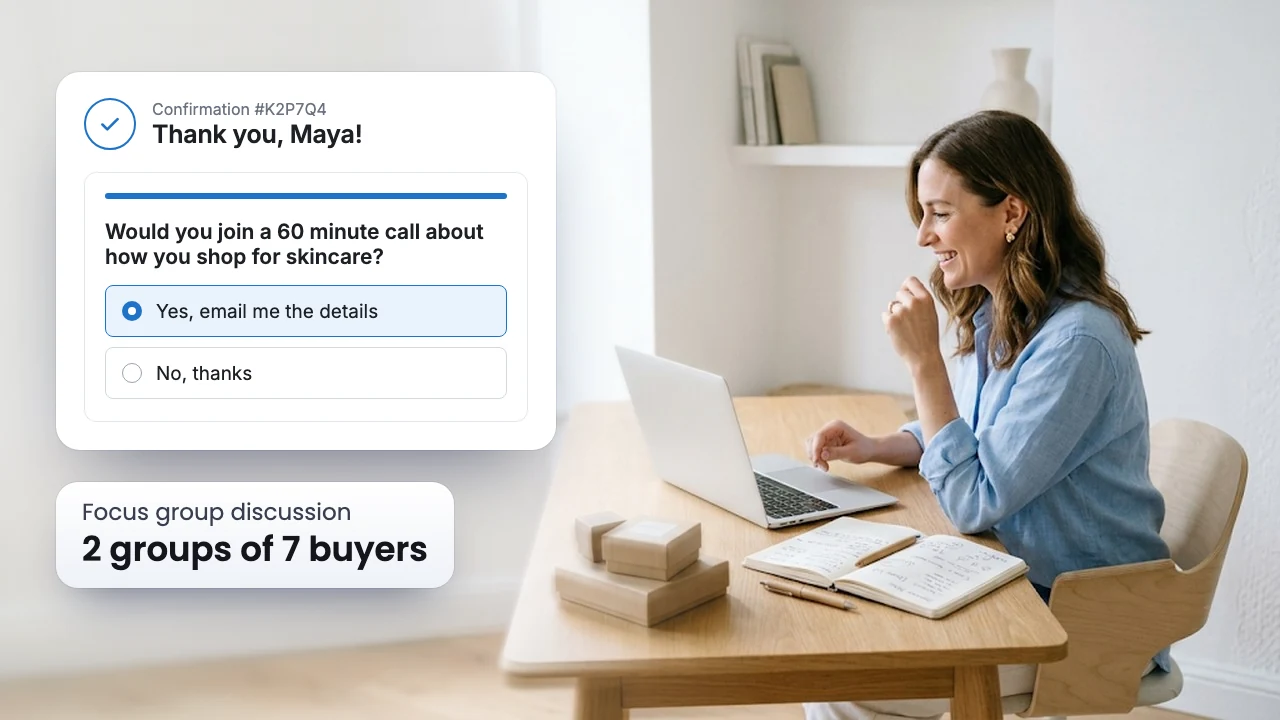
Research agencies screen people with a questionnaire, to keep out those who only come for the reward. A Shopify store already knows what each buyer ordered, when, and how much they spent. What you need is a way to ask who is willing. Add one question to the Thank you page:
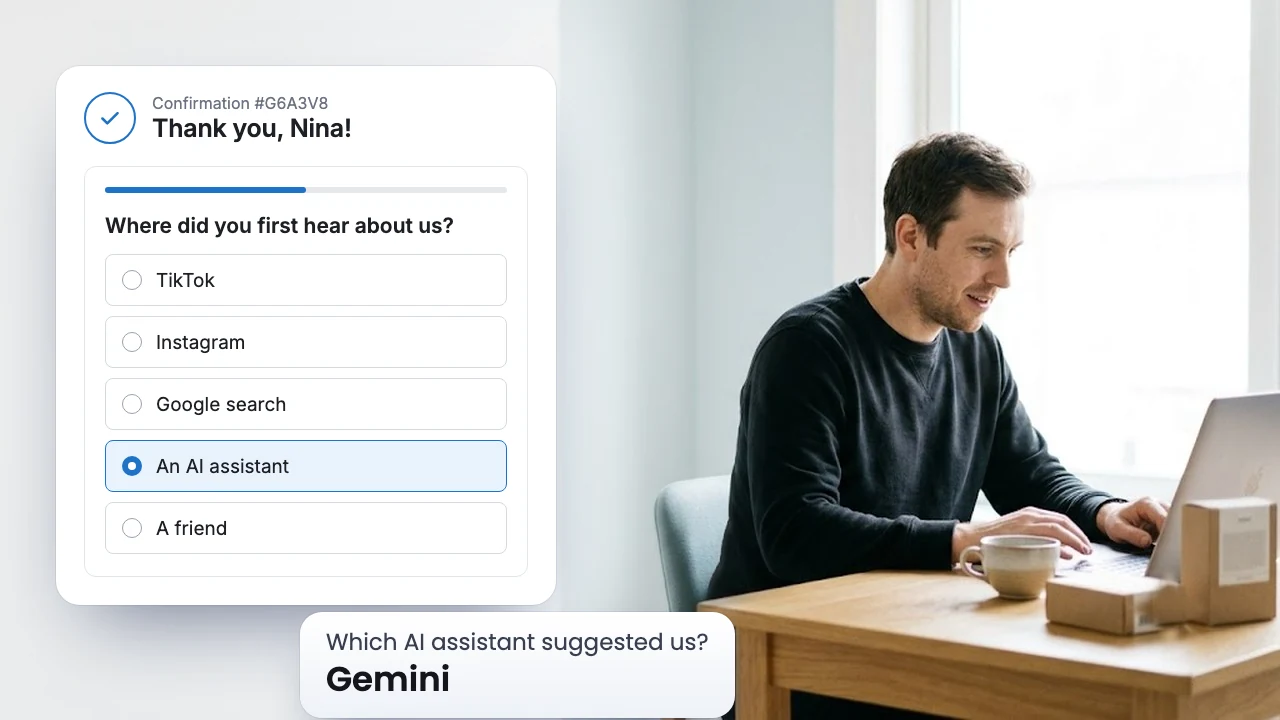
From the buyers who say yes, pick your groups by what you already know, such as the product they ordered, whether it was their first order, and the channel they named if you also ask "Where did you first hear about us?". A buyer from last week remembers why they ordered. A buyer from last year has to guess.
The thank you gift should feel fair for an evening. Store credit works for your fans, while a gift card people can spend anywhere also brings in buyers who are less sure about you, and they are often the ones you most need to hear.
A 75 minute discussion guide
Here is a guide for a skincare store testing three gift sets before the holidays. Swap the product and keep the shape. It starts with real life, moves to problems, and only then shows the ideas.
| Part | Minutes | What happens | A prompt to use |
|---|---|---|---|
| Welcome | 5 | Set the rules. There are no right answers, disagreeing is welcome, and you ask before you record | "We made these sets, so we need you to tell us what is wrong with them." |
| Their routine | 10 | How each person shops for the category today | "Walk me through the last time you bought skincare as a gift." |
| Problems | 15 | What annoys them, and what they do instead | "Tell me about a gift set that let you down. What happened?" |
| The ideas | 30 | Show the three sets one at a time. Everyone writes a first reaction before anyone speaks, then the group ranks them | "Which one would you put in your cart today, and which one feels like a gimmick?" |
| Trade offs | 10 | Make them choose | "If the set could keep only one thing, the price, the full sizes or the box, which would it be?" |
| Wrap up | 5 | Last thoughts. People relax here and often say the most useful thing | "What did we not ask that we should have?" |
Two rules for the ideas part. Show two or three versions, never one, because a single idea gets polite praise while a choice gets honest comparison. And show them the way a buyer would meet them, as a product page mockup, an ad or a photo of the box, not a slide of features.
Running the session
You need a moderator, a note taker with the camera off, and, if you like, someone from your team watching quietly. If you designed the gift sets, let someone else moderate. People soften their views when they can tell the person asking made the thing.
These habits keep the talk honest:
- Ask about the last time, not about opinions: "Tell me about the last time you..." brings back real details. "Why do you..." brings back a reason that sounds good.
- Make people choose: Ranking, sorting cards into groups and picking A or B show priorities that "Do you like it?" never will.
- Slow the loud voice politely: "Thanks, let's hear from someone who sees it differently."
- Bring in the quiet ones by name with a light question first, then give them time.
- Ask the nodders for an example: "When did that happen to you?" turns "Same for me" into a story.
- Never defend the product. If someone calls a set overpriced, ask what price would feel right and why.
- Notice the quiet disagreement: "Sara, you looked unsure there. What's on your mind?"
After the session
Right after the call, the moderator and the note taker each write down the three things that surprised them most, before the memory fades. Then work from the recording:
- Get a transcript and mark the moments when the group argued, laughed or changed its mind. Those are where the real views sit.
- Sort by theme, not by question. One theme can come up in the routine part and again during the trade offs.
- Keep buyers' exact words. "It looks like something from the pharmacy" tells your designer more than "packaging concerns."
- Write each insight in four parts: the situation, the tension, what buyers do about it, and what you should do. For example, when buying for someone whose skin they don't know (situation), buyers worry the products won't suit them (tension), so they pick a candle instead (what they do). A swap card in the set could keep that sale (what you do).
- Don't count hands. "5 of 8 liked set B" is not a result, because people in a group pull each other along. Write "most" or "a few" and save the numbers for a survey.
The report fits on one page, with the three to five biggest findings and a quote for each, what changed between groups, and the next step.
Then count what you heard with a survey
A focus group tells you what the possible answers are. Your buyers tell you how many of them pick each one. Turn the group's top themes into answer options and ask on the Thank you page:
If the group loved the box but only a few buyers pick "It came ready to give," the box is a nice touch, not the reason people buy. The "Other" option catches what eight people in a room missed.
SEA Survey is a post purchase survey app for Shopify, and it covers both ends of a focus group. Before the session, it asks buyers on the Thank you page whether they would join a call, and saves each response on its order, so you can see who said yes, what they bought and how much they spent. On the Growth plan, logic can add a customer tag the moment someone says yes, so you can find them in Shopify later. After the session, the same post purchase survey app asks every buyer the question the group helped you write, and shows how many pick each answer next to the revenue of their orders. For written responses under "Other," AI convert response on the Growth plan groups them into categories. Read how to ask the first question well.

SEA Survey
Listed as SEA Post Purchase Survey Quiz, 4.9 stars from 188 reviews, with the Built for Shopify badge.
30% off any paid plan for 3 monthsStarter $13.30 instead of $19, Growth $34.30 instead of $49
BFCMSEA30Last day: Dec 7
- Why now: Add the invite question before Nov 27, and by early December you can pick your groups from Black Friday buyers, the people you most want to understand before you plan next year.
- On the Free plan: 30 responses a month, with attribution, NPS and CSAT surveys.
- What a paid plan adds: Starter counts 500 responses a month. Growth has unlimited responses, customer tags from logic, AI convert response, the Marketing attribution dashboard and A/B testing.
- How to claim: Install SEA Survey from the Shopify App Store, open Plans, paste the code and pick Starter or Growth. Both start with a 7 day free trial.
Your focus group checklist
- Write down the one decision the groups should help you make, such as which gift set to launch.
- Pick one or two traits to split the groups by, such as first time and repeat buyers.
- Install a post purchase survey app and add the invite question to the Thank you page. SEA Survey has a Free plan, and code
BFCMSEA30takes 30% off any paid plan for 3 months, until Dec 7. - Choose 6 to 8 buyers per group from the people who said yes, and two more for cancellations.
- Write the 75 minute guide, with two or three versions of the idea to show.
- Ask someone who did not build the idea to moderate.
- Run 2 to 3 groups for each type of buyer, and stop when a new group brings nothing new.
- Sort what you heard by theme and write the one page report.
- Turn the top themes into a Thank you page question and count how many buyers pick each one.
FAQ
How many people should be in a focus group?
6 to 8 in a room. On a video call, 5 or 6 works better, because people talk over each other more often online.
How many focus groups do I need?
Plan 2 to 3 for each type of buyer you want to understand. In research that tracked new themes group by group, that was enough to find about 80% of them, including the most common ones. Stop when a new group says nothing the others did not.
Should I run a focus group or interviews?
Run a group to see reactions to an idea and the words buyers share. Run in depth interviews for private topics, long decisions and one buyer's path to an order.
Can a small Shopify store run a focus group?
Yes. One video call, buyers who said yes on your Thank you page, and a gift card for each. The biggest cost is your time to prepare and listen.
Can a post purchase survey app replace a focus group?
No, they answer different questions. A focus group explains why people react the way they do. A post purchase survey app counts how many buyers share each reason. Use the group to find the answer options, then the survey to count them.