One buyer, two reports
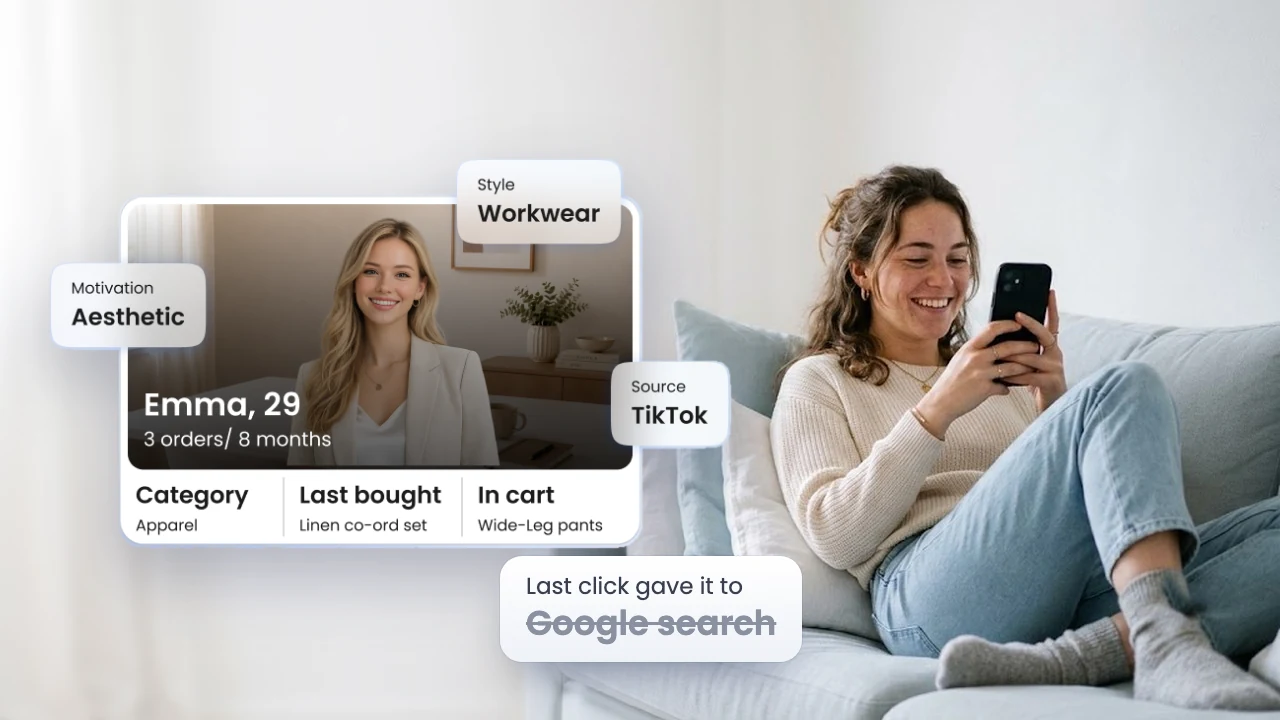
A shopper scrolls past your product on TikTok, watches the video, taps through to the store and leaves without buying. Eight days later they type your brand into Google, land on the same product page and place the order.
Sees your product on TikTokWatches the video, opens the store, leaves without buying.
Searches your brand on GoogleComes back and places the order.
The next morning your reports tell two different stories. The acquisition report in GA4 lists this customer under TikTok, because that is where they first arrived. The sales report in Shopify gives the order to Google search, because that was the last click before checkout.
Neither report is wrong, because each answers its own question: Where did this customer come from, and what got the final click? The mistake is to read one report alone, see TikTok with no sales next to it, and cut the channel that was doing the work as the BFCM budget is set.
Which channel planted the sale, which closed it
The way out is to read the two reports together. Some channels plant the sale, putting your product in front of someone who has never heard of you. Others close it, catching the shopper who already wants to buy and bringing them back.
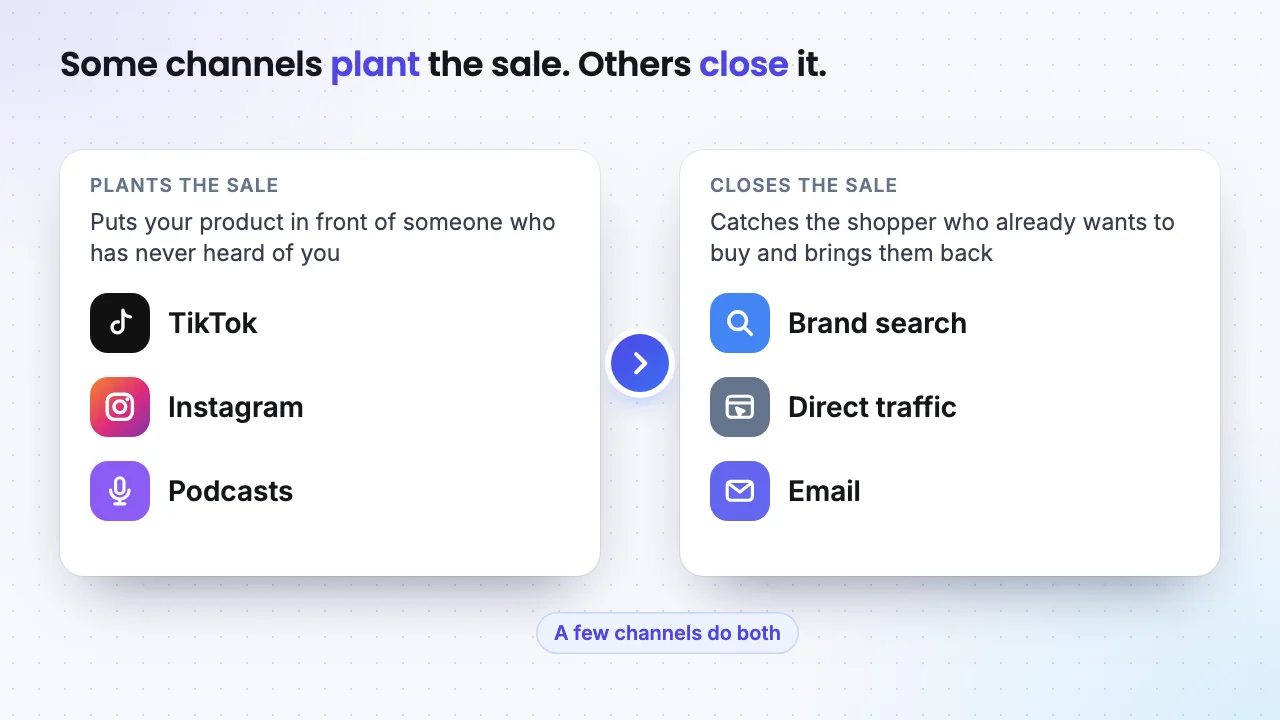
TikTok, Instagram and podcasts tend to plant, and brand search, direct traffic and email tend to close. A few channels do both, and side by side, the two reports sort most of them into four patterns.
Same channel in both
It plants and closes on its own. Its cost per order is what it looks like.
Do this: Give it the first extra test budget.
One plants, the other closes
Google only collects what TikTok planted. Grow Google on its own and little happens.
Do this: Keep both. Judge TikTok by the orders that started there.
Plants, but never closes
The post promises one thing and the landing page shows another, or the shopper forgets you in between.
Do this: Match the post to the page, and add a reminder email in between.
Closes, but never plants
Brand search and direct traffic collect buyers that other channels created. Their cost per order looks great because the work was done elsewhere.
Do this: Count it as the cost of keeping the door open, not of bringing in new buyers.
Suggestions only. Your own numbers decide.
Read this way, the question changes. It is no longer "which channel is best?" but "which channel plants, which one closes, and are we feeding the planter?". That is a question you can act on before the sale, not after.
The buyers no report can see
A third group fits neither report. A friend sends the shopper your link in a chat, a podcast host reads out your name, or ChatGPT names your store when they ask what to buy for a sister.
None of these leave a click to track. The shopper types your address into the browser and pays, and both reports file them under Direct, or hand them to the last ad they happened to see.
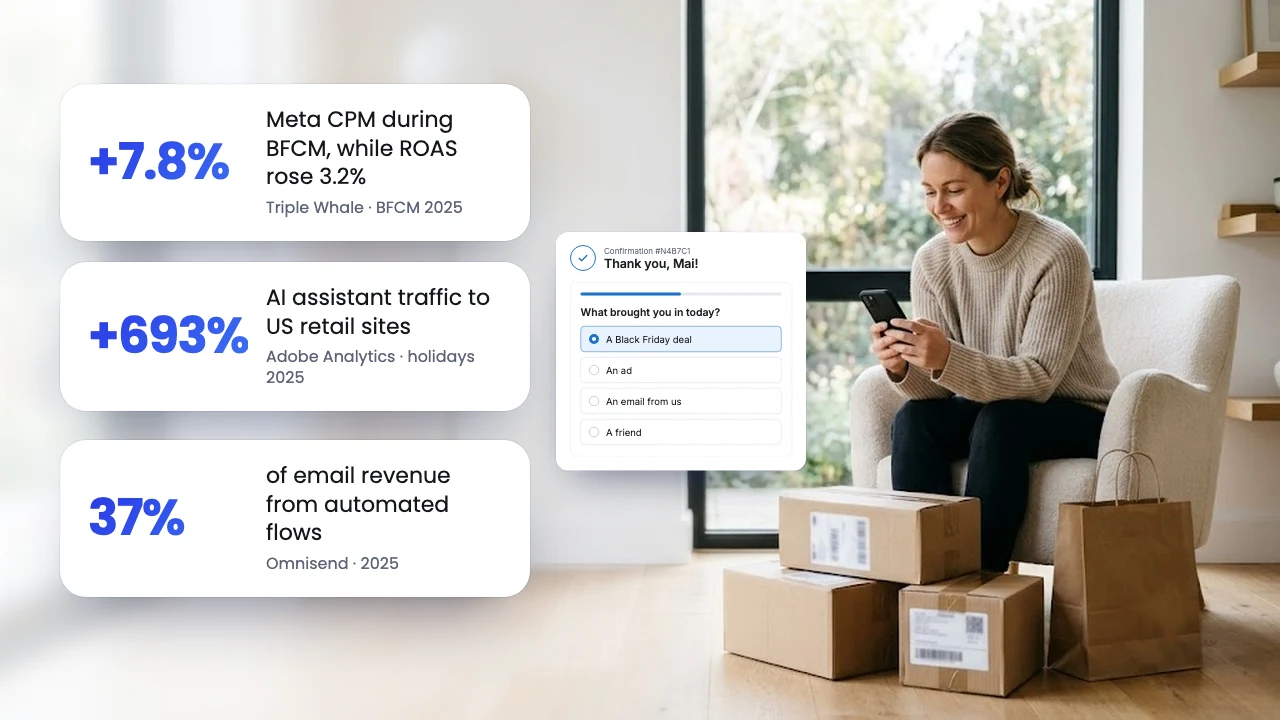
This group is growing fast. Adobe measured the traffic that AI assistants sent to US retail sites over the 2025 holidays and found it up 693% on the year before.
If a good share of your BFCM buyers arrive this way, every report you own will tell you that Direct is your best channel. Direct is not a channel. It is a blind spot.
Ask them
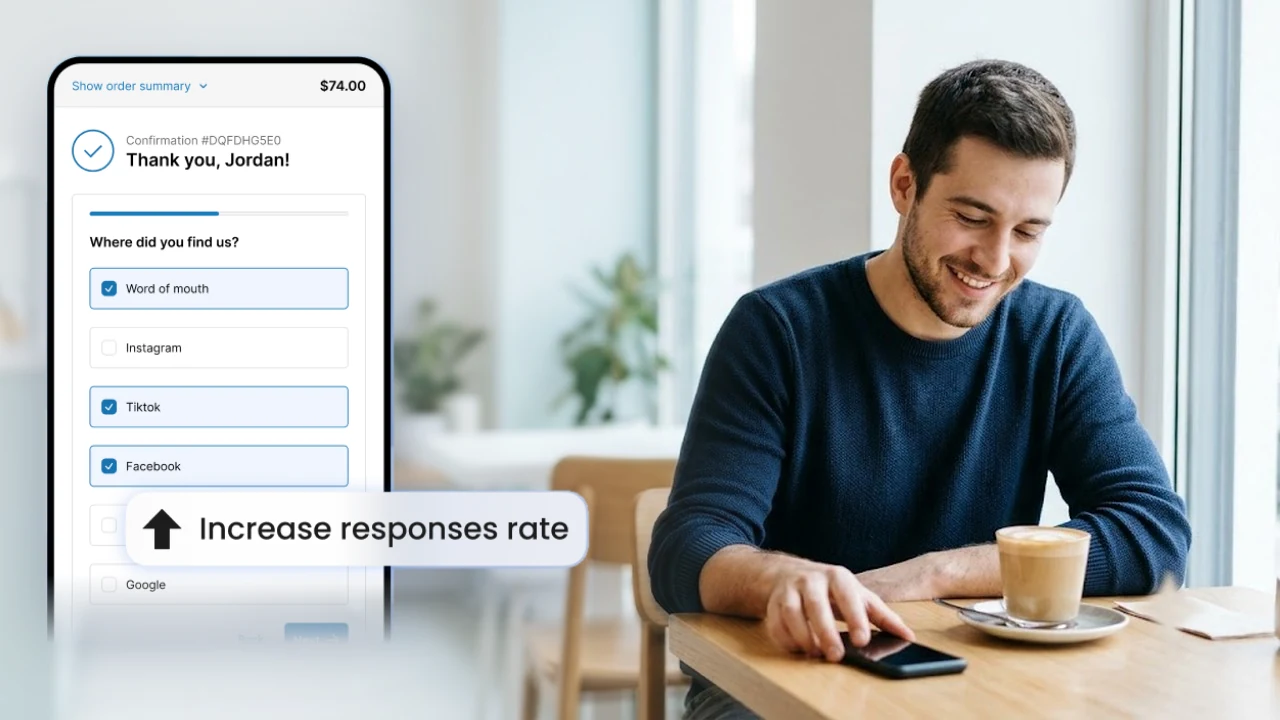
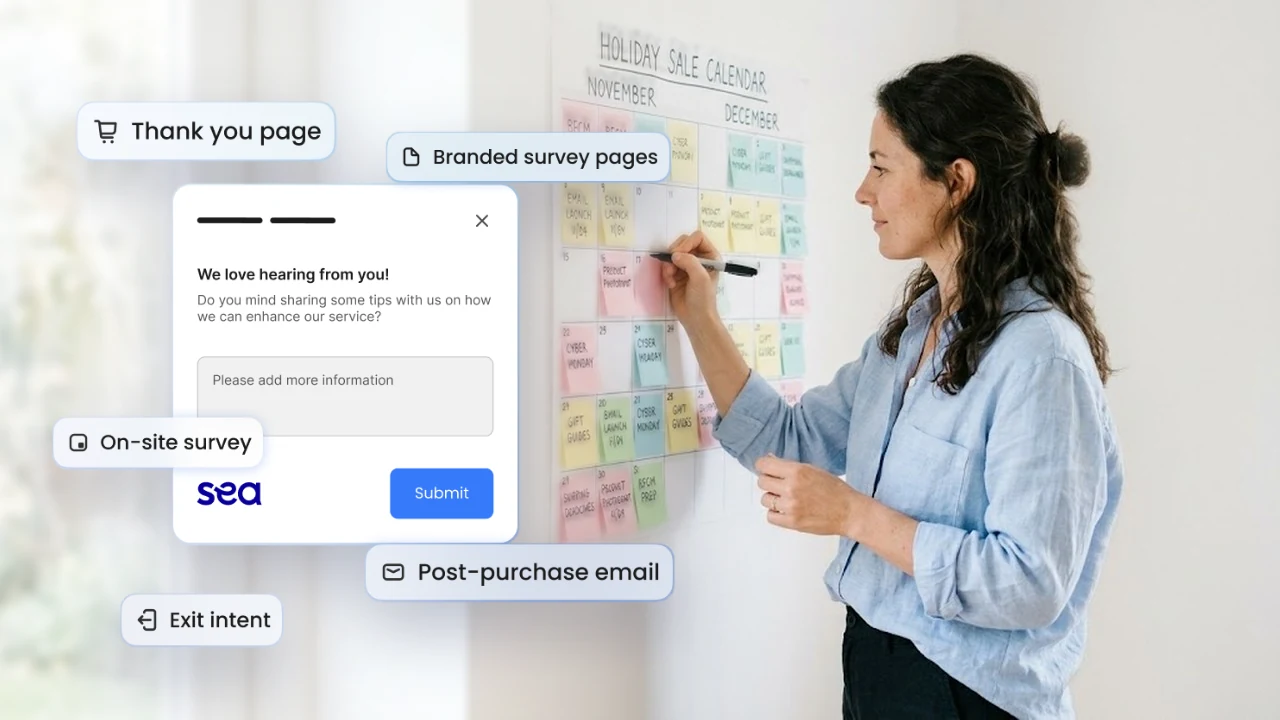
One source knows the full path: The buyer. They remember the TikTok video, the podcast, the friend. So ask them on the Thank you page, right after they pay, while they are still pleased with the purchase and the answer is one tap away.
SEA Survey, a post purchase survey app, saves each answer on the order, next to its revenue. That gives you a third column beside the two reports: What buyers say, in their own words, with the money attached. The TikTok that "never converts" shows up with its real share, and the friends filed under Direct finally get a name.
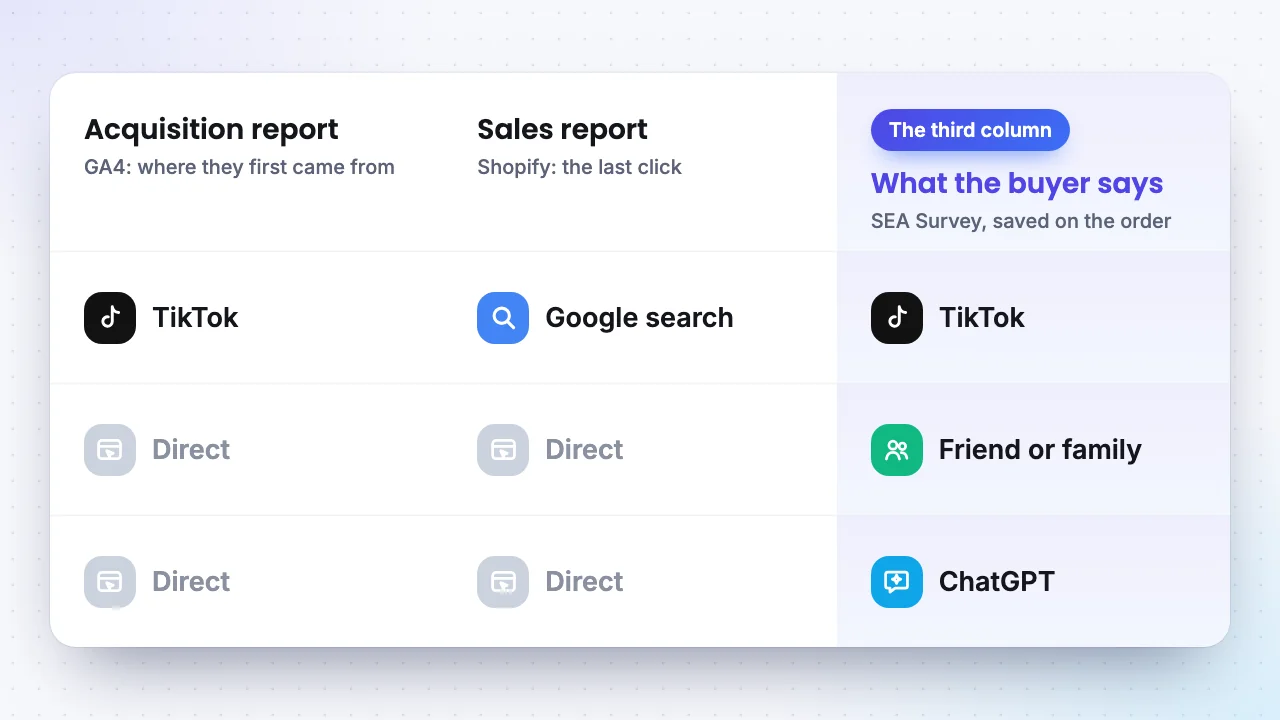
Answers build up with every order. Keep the question on through Black Friday, and on Dec 1 you can read the whole season in one board.